• Featured
  • Reviews
  • Tech News
  • Press Release
  • Blog
prosvibe.com
From Spotlight to Headlines
Home - Archives for Ranks Box - Page 6
Author

Ranks Box

Ranks Box

Blog

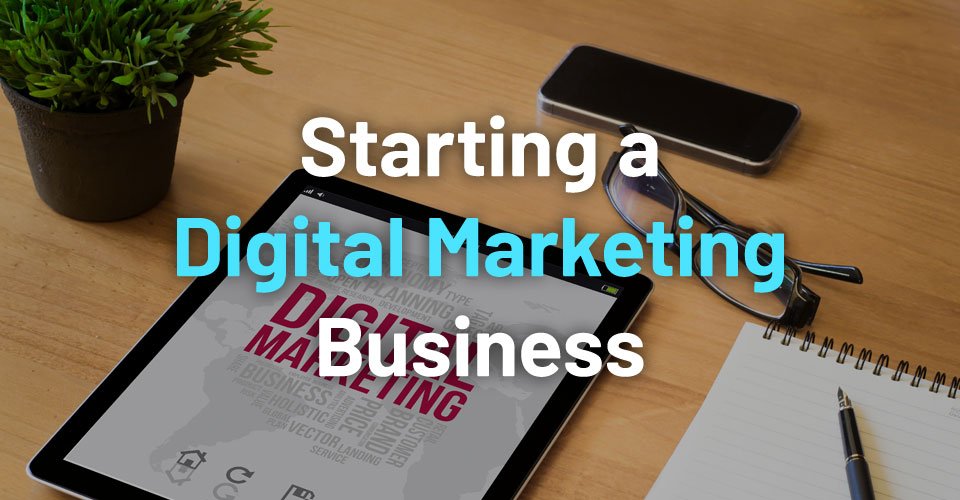
Starting a Digital Marketing Company

by Ranks Box August 31, 2025
written by Ranks Box

Introduction

Starting a digital marketing company is an exciting venture in today’s business world where online presence has become more important than ever. Businesses of all sizes rely heavily on digital strategies to attract customers, increase visibility, and remain competitive. For aspiring entrepreneurs, this creates a unique opportunity to build a service-based company that can thrive in a constantly evolving market. Unlike traditional businesses, a digital marketing company requires less physical infrastructure and offers flexibility in operations, but it demands strong knowledge, dedication, and the ability to adapt quickly to trends.

Understanding the Role of a Digital Marketing Company

A digital marketing company acts as a bridge between businesses and their potential customers in the online world. It provides services such as search engine optimization, pay-per-click advertising, social media management, content creation, email marketing, and web analytics. Companies that lack the expertise or time to manage these activities on their own turn to digital marketing firms for professional assistance. The role of such a company is not limited to generating traffic; it extends to creating meaningful engagement, building brand identity, and helping clients achieve measurable results.

Digital marketing companies succeed by aligning their strategies with client goals. For example, a retail brand might want to boost online sales, while a local business may focus on increasing foot traffic. Each goal requires a tailored approach that combines the right tools and techniques. This adaptability makes the business model attractive but also competitive, as agencies must consistently prove their value in a crowded marketplace.

Essential Skills and Knowledge Needed

Before starting a digital marketing company, one must possess or develop a core set of skills. A deep understanding of search engine algorithms, keyword research, and ranking factors is critical for search optimization services. Knowledge of paid advertising platforms like Google Ads and social media ad managers is equally important, as these channels drive fast, measurable results. Strong writing and storytelling abilities are essential for content marketing, while analytical skills are required to interpret performance data and optimize campaigns.

Beyond technical skills, soft skills play a significant role. Effective communication, negotiation, and leadership abilities help in dealing with clients and managing a team. Digital marketing is not just about running ads or creating content; it involves listening to client needs, explaining strategies clearly, and building long-term trust. As the industry evolves quickly, continuous learning is also a necessity. Staying updated with algorithm updates, platform changes, and emerging tools ensures that a company remains competitive.

Planning and Business Setup

Like any other business, starting a digital marketing company requires careful planning. The first step is defining the business model. Some companies operate as full-service agencies, offering a wide range of digital solutions, while others specialize in a specific area such as SEO, social media, or influencer marketing. Both approaches have benefits. A full-service agency attracts clients who want a one-stop solution, whereas a specialized agency can position itself as an expert in a particular niche.

Registering the business legally, setting up accounting systems, and establishing a clear pricing structure are also important steps. Pricing may vary depending on whether services are offered as packages, retainers, or performance-based models. Since most of the operations can be handled online, the startup costs are relatively low compared to brick-and-mortar businesses. However, investing in essential tools such as analytics software, project management platforms, and design applications is necessary to deliver high-quality results.

Building a small but skilled team can accelerate growth. While some entrepreneurs start solo, having experts in design, copywriting, or paid advertising can help provide better services and handle larger projects. Remote work has made it easier to collaborate with talent from different locations, allowing agencies to scale without significant overhead costs.

Understanding the Digital Marketing Landscape

Before diving into the process of creating a digital marketing company, it is important to grasp the industry’s scope. Digital marketing is not limited to a single activity. It includes a broad range of services such as search engine optimization, social media advertising, pay-per-click campaigns, email outreach, influencer collaborations, and content creation. Each of these services plays a unique role in helping businesses reach their audiences and achieve their goals. The diversity of the field means that an agency can choose to be a full-service provider covering every aspect of online marketing or specialize in one or two areas.

The modern customer journey also explains why digital marketing agencies are so valuable. Consumers rarely buy a product or service after seeing a single advertisement. Instead, they move through a path that includes awareness, research, comparison, and decision-making. A digital marketing company guides clients in placing their brand in front of potential customers at every stage of that journey. By managing visibility across search engines, social platforms, and content networks, agencies ensure that brands remain competitive in crowded markets.

Building the Right Skillset

Starting a company requires a strong foundation of knowledge and skills. Without the right expertise, it becomes difficult to deliver results to clients, which ultimately defines success in the industry. At the core is an understanding of search engines and how their algorithms determine which websites rank higher than others. Knowing how to optimize keywords, improve site speed, create high-quality content, and build backlinks forms the heart of SEO services.

In addition, paid advertising knowledge is equally critical. Platforms such as Google Ads, Facebook Ads, and LinkedIn Ads are essential tools for generating targeted traffic quickly. Agencies must be able to design, launch, and manage campaigns that maximize return on investment while minimizing wasted spending. Strong writing skills are necessary for copywriting and content marketing, as words are often the bridge between a brand and its customers. Analytical ability also matters, as interpreting campaign data is essential for adjusting strategies and proving effectiveness to clients.

Equally important are soft skills. Communication, creativity, and problem-solving form the backbone of successful client relationships. A digital marketing company does not only deliver technical services; it also provides trust, clarity, and long-term support. Building these qualities early helps entrepreneurs distinguish themselves from competitors and develop lasting partnerships with clients.

Planning the Business

Once skills are in place, the planning phase begins. A digital marketing company needs a clear vision of the services it will provide and the audience it will target. For example, one agency might focus on helping small local businesses such as restaurants and retail shops, while another might aim for corporate clients with larger budgets. Both approaches can succeed, but each requires different pricing, branding, and outreach methods.

Defining a niche is one of the most effective strategies for new agencies. Instead of competing with established firms across every industry, entrepreneurs can position themselves as experts in a smaller field. For instance, a company could specialize in digital marketing for medical practices, law firms, or e-commerce businesses. Specialization makes it easier to refine strategies, attract clients, and build authority.

The business setup also involves registering the company legally, choosing a suitable name, creating a professional website, and establishing accounting systems. Transparency is key in pricing models, which may include monthly retainers, hourly rates, or project-based fees. Clients value clarity, and agencies that communicate their costs effectively build trust faster.

Client Acquisition Strategies

At the heart of every digital marketing company lies the ability to attract and retain clients. Without a steady stream of customers, even the most skilled agency cannot survive. Client acquisition begins with building credibility. A professional website, case studies, and testimonials go a long way in convincing potential clients to engage. For beginners without case studies, offering discounted services or free trials can create initial results that later serve as proof of expertise.

Networking is another powerful tool. Attending industry events, participating in online communities, and collaborating with other professionals can open doors to new clients. Social media presence also plays a role. A company that effectively markets itself on platforms like LinkedIn, Instagram, and Twitter demonstrates its ability to deliver results for others. Additionally, content marketing is an effective client acquisition strategy. Publishing blogs, guides, and videos showcases knowledge while attracting organic traffic to the agency’s website.

Cold outreach remains an option, though it requires persistence and a thoughtful approach. Personalized emails and calls that clearly explain how services can solve specific problems tend to perform better than generic sales pitches. Building long-term relationships rather than focusing only on immediate sales leads to steady growth over time.

Delivering High-Quality Services

Attracting clients is only the first step; retaining them depends on the quality of service provided. A digital marketing company must ensure that campaigns are planned, executed, and tracked with precision. Clear communication is vital. Clients should understand what is being done, why it matters, and what results to expect. Overpromising is one of the biggest mistakes new agencies make. Instead, being realistic about timelines and outcomes builds stronger, long-term trust.

Measuring success with data is another important factor. Clients appreciate reports that highlight not only numbers but also insights into what those numbers mean. For instance, an increase in website visitors matters less if conversions do not improve. Explaining performance in terms of business growth rather than just analytics ensures clients see the true value of digital marketing services.

Agencies that go beyond basic service delivery and provide strategic advice often stand out. For example, suggesting improvements to a client’s website design, customer journey, or brand messaging can create stronger results. This consultative approach transforms an agency from just a service provider into a business partner.

Scaling and Growth

As a digital marketing company establishes itself, the focus shifts to scaling operations. Growth often involves hiring more team members or collaborating with freelancers to expand service capacity. Project management tools become essential in maintaining efficiency as workloads increase. Automation tools also play a major role, from scheduling social media posts to sending email campaigns and tracking ad performance.

Diversifying services is another growth path. An agency that starts with SEO and content creation may later add video marketing, influencer campaigns, or advanced analytics consulting. Expanding offerings makes the company more attractive to larger clients who prefer working with fewer vendors. However, scaling must be balanced with maintaining service quality. Expanding too quickly without strong systems in place can harm reputation and client satisfaction.

Financial planning is also vital in growth stages. Agencies must manage cash flow carefully, especially when clients pay on different schedules. Building a reserve fund, setting aside money for taxes, and reinvesting profits into marketing or hiring help create a stable foundation for long-term expansion.

Challenges to Expect

While the rewards of starting a digital marketing company can be significant, the challenges should not be underestimated. Competition is fierce, with thousands of agencies already operating worldwide. Standing out requires creativity, persistence, and specialization. The constantly changing nature of digital platforms is another challenge. An algorithm update or a new advertising policy can suddenly change campaign outcomes, requiring agencies to stay alert and adapt quickly.

Client expectations can also be demanding. Some clients may expect instant results, even though digital marketing often requires patience. Managing these expectations through education and clear communication is key. Additionally, the workload can be intense, especially in the early stages when entrepreneurs handle multiple roles. Balancing business development, service delivery, and administration requires discipline and time management.

Future Opportunities

Despite the challenges, the future of digital marketing companies looks promising. With increasing digital adoption, businesses are unlikely to reduce their marketing budgets anytime soon. Emerging technologies such as artificial intelligence, voice search, and virtual reality will create new opportunities for agencies to innovate and offer fresh services. Companies that position themselves early in these areas can gain a competitive advantage.

Globalization also expands opportunities. A digital marketing company is not restricted to local clients. With online communication tools, agencies can work with businesses across the world, opening doors to larger markets and diverse industries. Remote work culture further strengthens this potential, as both clients and employees are increasingly comfortable collaborating virtually.

Final Thoughts

Starting a digital marketing company requires more than technical knowledge; it demands strategy, dedication, and the ability to evolve with the industry. From acquiring skills to planning, attracting clients, delivering high-quality services, and scaling effectively, each step contributes to long-term success. While challenges exist in the form of competition, changing algorithms, and client demands, the opportunities far outweigh the obstacles. For entrepreneurs willing to put in the effort, the digital marketing industry offers not only financial rewards but also the chance to play a vital role in shaping the future of how businesses connect with their audiences.


August 31, 2025 0 comments
0 FacebookTwitterPinterestEmail
Blog

Master Numbers in Numerology: 11, 22, and 33 Explained

by Ranks Box August 19, 2025
written by Ranks Box

In numerology, most numbers are reduced to a single digit from 1 to 9, each carrying its own unique meaning and vibration. However, there are three numbers that stand apart because of their heightened energy and deeper spiritual significance—11, 22, and 33. These are called Master Numbers, and they are often seen as numbers of higher purpose, spiritual awakening, and great responsibility.

Unlike single-digit numbers, Master Numbers are not simply about personal growth; they represent a potential for impacting others and the world in profound ways. This article will help you understand the meaning and significance of Master Numbers, their challenges, and how they influence the lives of those who hold them.

What Are Master Numbers?

Master Numbers are double-digit numbers that are not reduced to a single digit in numerology readings. They are seen as “amplified” versions of their root numbers:

  • 11 is connected to the energy of 2 (1 + 1 = 2).
  • 22 is connected to the energy of 4 (2 + 2 = 4).
  • 33 is connected to the energy of 6 (3 + 3 = 6).

However, Master Numbers carry much more intensity and spiritual depth than their root numbers. They represent lessons that are more demanding, opportunities that are more powerful, and a calling that often feels larger than life. People with Master Numbers in their Life Path, Destiny, or Personal Year cycles often experience heightened intuition, deeper challenges, and a strong sense of mission.

Master Number 11: The Visionary

The number 11 is known as the Visionary or the Intuitive Master. It combines the pioneering energy of the number 1 with the harmony and sensitivity of the number 2, resulting in a vibration of heightened awareness and inspiration.

Traits and Significance

  • Deep intuition and psychic sensitivity
  • Strong creative and spiritual potential
  • Natural ability to inspire others with words, ideas, or visions
  • Drawn to artistic, spiritual, or healing pursuits

Challenges of 11

Living with the intensity of the 11 can feel overwhelming. Those with this Master Number may struggle with anxiety, self-doubt, or nervous energy because they feel a constant pull toward a higher purpose. The challenge lies in balancing the spiritual side with practical realities, grounding their visions so they can be shared effectively with the world.

Master Number 22: The Master Builder

The number 22 is often considered the most powerful number in numerology. Known as the Master Builder, it combines the practicality of number 4 with the visionary qualities of the Master Numbers.

Traits and Significance

  • Ability to turn dreams into reality
  • Strong leadership and organizational skills
  • Practical and grounded while still highly intuitive
  • Potential to achieve lasting accomplishments that impact many people

Challenges of 22

With such potential, the demands of 22 are heavy. Those influenced by this number may feel the weight of great responsibility and pressure to achieve. The challenge lies in balancing ambition with humility and ensuring their work is guided by positive intentions rather than ego or materialism.

Master Number 33: The Master Teacher

The number 33 is the rarest of the Master Numbers and is often called the Master Teacher. It blends the nurturing qualities of the number 6 with spiritual enlightenment, creating a vibration of compassion, love, and healing.

Traits and Significance

  • Deeply compassionate and service-oriented
  • Natural teacher, mentor, or healer
  • Strong sense of responsibility toward uplifting humanity
  • Ability to inspire through selfless acts of love and wisdom

Challenges of 33

Because of its intense energy, 33 can feel overwhelming. Those under its influence may neglect their own needs while constantly caring for others. They must learn to set healthy boundaries and avoid falling into martyrdom. Their true strength lies in living by example, showing that love and service can transform the world.

The Dual Nature of Master Numbers

While Master Numbers carry extraordinary potential, they are also known for their dual nature. This means that if someone with a Master Number does not live up to the higher calling of the number, they may experience the challenges and lessons of the root number instead.

For example:

  • An 11 may live more like a 2, focusing on harmony and cooperation rather than visionary leadership.
  • A 22 may operate more like a 4, working hard but without the larger vision.
  • A 33 may embody more of a 6, focusing on family and responsibility without stepping into the role of teacher or healer.

This duality is important to understand because Master Numbers are not guarantees of greatness—they represent potential that must be consciously developed.

How Master Numbers Influence Your Life

Master Numbers can appear in different areas of a numerology chart, most commonly in the Life Path Number, but also in Destiny Numbers, Soul Urge Numbers, or Personal Year Cycles. Wherever they appear, they suggest heightened experiences and lessons.

  • As a Life Path, a Master Number suggests a lifelong calling and spiritual mission.
  • As a Personal Year, it may represent an intense period of growth and transformation.
  • As a Soul Urge, it points to deep inner desires for higher connection and service.

Recognizing a Master Number in your chart helps you better understand the challenges you face and the extraordinary opportunities available to you.

Final Thoughts

Master Numbers 11, 22, and 33 are considered rare and powerful in numerology. They carry higher vibrations of intuition, creativity, responsibility, and spiritual growth. However, they also bring challenges, requiring balance, patience, and dedication.

Those who hold Master Numbers are believed to be on a unique path—not just for personal success, but for the greater good of humanity. By embracing the lessons of these numbers, individuals can unlock their full potential and live lives of deep meaning, purpose, and inspiration.


August 19, 2025 0 comments
0 FacebookTwitterPinterestEmail
Blog

Energy and Sleep: How Rest Impacts Your Daily Vitality

by Ranks Box August 18, 2025
written by Ranks Box

Understanding the Connection Between Energy and Sleep

Energy and sleep are deeply connected. Sleep is not just a period of rest — it is the body’s way of restoring energy, repairing cells, and preparing the brain for a new day. Without adequate sleep, energy levels drop, productivity declines, and overall health suffers.

Why Sleep Is Essential for Energy

During sleep, the body undergoes critical processes such as muscle repair, hormone regulation, and memory consolidation. Deep sleep in particular is when growth hormone is released, helping with recovery and boosting energy. A consistent lack of quality sleep prevents the body from recharging, leading to fatigue and burnout.

The Role of Sleep Cycles

Sleep is divided into stages, including light sleep, deep sleep, and REM (rapid eye movement) sleep. Each stage has a unique function. Deep sleep restores physical energy, while REM sleep helps with mental energy by supporting learning and memory. Missing these cycles can leave you feeling drained, even if you sleep for many hours.

How Poor Sleep Affects Energy Levels

Insufficient or poor-quality sleep leads to low energy, difficulty focusing, irritability, and reduced motivation. Over time, chronic sleep deprivation can weaken the immune system, increase stress hormones, and raise the risk of heart disease, diabetes, and obesity.

Ideal Amount of Sleep for Energy

Most adults need between 7 to 9 hours of quality sleep each night to feel energized. Teenagers require 8 to 10 hours, while older adults may need slightly less. The quality of sleep matters as much as the duration, so uninterrupted, deep rest is the goal.

Daily Habits That Improve Energy and Sleep

Lifestyle choices strongly influence both sleep and energy. Regular exercise, a balanced diet, and hydration promote better rest. Avoiding caffeine and heavy meals late at night can also make falling asleep easier. Sticking to a sleep schedule trains the body’s internal clock, making it easier to wake up refreshed.

The Impact of Stress on Sleep and Energy

Stress is one of the biggest barriers to good sleep. High stress levels trigger the release of cortisol, a hormone that disrupts sleep patterns. Chronic stress often results in difficulty falling asleep, frequent waking, or restless nights, all of which drain energy during the day. Stress management techniques like meditation, yoga, or deep breathing can restore balance.

Technology and Sleep Disruption

The use of electronic devices late at night can interfere with sleep. Blue light from screens suppresses melatonin, the hormone that regulates sleep. This delay in melatonin production makes it harder to fall asleep, reducing overall energy the next day. Limiting screen use before bedtime can improve sleep quality.

Nutrition for Better Energy and Sleep

What you eat affects both energy and sleep. Foods rich in magnesium, such as nuts and leafy greens, promote relaxation. Complex carbohydrates like whole grains support steady energy throughout the day. On the other hand, excessive sugar, processed foods, and late-night caffeine can disturb sleep and cause energy crashes.

Naps: Boost or Barrier?

Short naps of 20–30 minutes can help restore alertness and improve mood without interfering with nighttime sleep. However, long or late naps can disrupt the body’s sleep cycle, making it harder to fall asleep at night and reducing long-term energy.

Common Sleep Disorders That Drain Energy

Sleep disorders like insomnia, sleep apnea, and restless leg syndrome can severely affect energy levels. Sleep apnea, for example, interrupts breathing and prevents deep sleep, leading to daytime fatigue. If persistent tiredness occurs despite enough sleep, consulting a healthcare provider is recommended.

Creating the Perfect Sleep Environment

Your sleep environment plays a key role in rest and energy. A cool, dark, and quiet room promotes deeper sleep. Investing in a comfortable mattress and pillow, and removing distractions like phones or televisions, can create the ideal conditions for restorative sleep.

Long-Term Benefits of Balancing Energy and Sleep

Prioritizing sleep leads to improved focus, higher productivity, better mood, and stronger health. Consistent energy levels allow you to perform better at work, enjoy social activities, and maintain emotional stability. Over the long term, quality sleep can extend lifespan and protect against chronic illness.

Final Thoughts

Energy and sleep go hand in hand. Without enough restorative sleep, energy levels remain low, affecting health, mood, and productivity. By maintaining healthy sleep habits, managing stress, and supporting your body with good nutrition, you can achieve a sustainable balance of energy and rest. Sleep well to live with more vitality every day.

August 18, 2025 0 comments
0 FacebookTwitterPinterestEmail
Blog

European Dress for Women: Timeless Elegance Meets Modern Fashion

by Ranks Box August 8, 2025
written by Ranks Box

From the cobblestone streets of Paris to the bustling fashion houses of Milan, European dress for women has long been celebrated for its sophistication, craftsmanship, and flair. Whether inspired by centuries-old traditions or the latest runway trends, European fashion offers a unique blend of timeless elegance and contemporary edge.


The Essence of European Dress for Women

European fashion is more than clothing — it’s a cultural statement. Each country brings its own influences to the table, creating a diverse style landscape:

  • France – Known for effortless chic: classic cuts, muted tones, and an “undone” sophistication.
  • Italy – Bold, luxurious, and full of personality with vibrant colors and high-quality tailoring.
  • Spain – Flirty, feminine silhouettes often featuring ruffles, lace, and rich fabrics.
  • United Kingdom – A fusion of tradition and modernity, from tailored trench coats to royal-inspired dresses.

Key Features of European Dresses

What makes a European dress for women stand out? It’s in the details:

  1. Exquisite Fabrics – Silks, linens, cashmere blends, and fine cottons that feel as good as they look.
  2. Tailored Fit – European designers prioritize fit and structure to complement the female form.
  3. Artistic Patterns – From delicate floral prints to bold geometric designs, patterns often reflect local heritage.
  4. Quality Craftsmanship – Attention to seams, lining, and finishing gives each piece a luxurious feel.

Popular European Dress Styles for Women

  • The Wrap Dress – A French favorite that flatters almost every body shape.
  • A-Line Midi Dress – Perfect for both casual wear and semi-formal occasions.
  • Shift Dresses – Clean lines for a minimalist, modern look.
  • Maxi Dresses with Cultural Embellishments – Inspired by traditional European embroidery and lacework.
  • Cocktail Dresses – Ideal for evening events, often crafted with satin, chiffon, or velvet.

How to Style a European Dress

  • Less is More: European style often leans toward simplicity; choose one statement accessory.
  • Neutral Footwear: Pair with classic pumps, leather sandals, or ankle boots.
  • Layer Smartly: Add a tailored blazer, trench coat, or cashmere cardigan for a polished touch.

Why Choose a European Dress for Women?

Investing in a European dress means investing in quality, design, and heritage. These dresses are not just garments; they are expressions of culture, artistry, and timeless taste. Whether for a casual afternoon, a work meeting, or an elegant evening, a European dress ensures you step out with confidence and style.


Final Thoughts

The world of European dress for women is endlessly inspiring, offering a piece for every mood, season, and occasion. From the minimal elegance of Paris to the passionate flair of Rome, European dresses remain an eternal symbol of feminine grace and individuality.


August 8, 2025 0 comments
0 FacebookTwitterPinterestEmail
Blog

Building a Better You Through Fitness, Nutrition, and Mental Strength

by Ranks Box August 8, 2025
written by Ranks Box


In today’s fast-paced world, where screens dominate and schedules rarely pause, taking care of your health and wellness is no longer a luxury—it’s a necessity. Whether you’re a student, a working professional, or someone simply trying to feel better in your skin, investing in your physical, mental, and emotional well-being pays back more than you can imagine.

From fitness training to nutrition and mental health awareness, let’s explore the essential pillars of living a healthier, more balanced life—and how you can start your journey today.


1. Fitness Training: Move to Feel Alive

Movement is medicine. Regular physical activity improves heart health, strengthens muscles, enhances mobility, and boosts mood. You don’t need to become a bodybuilder or marathon runner. What matters is finding the type of movement that fits your lifestyle and goals.

Options You Can Try:

  • Cardio Workouts (e.g., running, cycling, dancing)
  • Strength Training (e.g., weightlifting, bodyweight exercises)
  • Flexibility and Recovery (e.g., yoga, stretching)

Benefits:

  • Boosts energy and stamina
  • Improves sleep quality
  • Helps manage weight
  • Reduces risk of chronic illness
  • Releases endorphins—your natural “happy” hormones

Start small. Even 20 minutes a day of consistent movement can create lasting change. Consistency beats intensity in the long run.


2. Nutrition: Fuel Your Body, Feed Your Mind

You are what you eat—literally. Nutrition plays a powerful role in your physical health, mental clarity, and even your emotional balance. Balanced meals, portion control, and mindful eating are more powerful than extreme diets.

Key Nutrition Habits to Master:

  • Eat more whole foods: fruits, vegetables, grains, and lean proteins
  • Drink plenty of water—aim for 6–8 glasses daily
  • Reduce processed food and added sugars
  • Don’t skip meals; instead, aim for balanced, regular eating
  • Learn food labels and portion sizes to avoid overeating

Nutrition isn’t about restrictions; it’s about making smarter choices. Start by adding, not subtracting—add more greens, more colors, and more water.


3. Mental Health Awareness: Strength from Within

Mental health is just as important as physical health—if not more. Stress, anxiety, burnout, and depression affect millions globally. Being mentally well doesn’t mean being happy all the time; it means being resilient, self-aware, and equipped to manage life’s ups and downs.

Ways to Support Mental Health:

  • Practice mindfulness or meditation regularly
  • Build strong support systems—talk to friends, mentors, or therapists
  • Journal or write out your thoughts to gain clarity
  • Limit digital overload—take social media breaks
  • Sleep well—your brain heals when you rest

Mental wellness also includes breaking the stigma. Talking about emotions, asking for help, and setting boundaries are signs of strength, not weakness.


4. Combining the Three: A Holistic Approach

Fitness, nutrition, and mental health are not isolated—they work best together.

  • A good workout boosts mental clarity and emotional stability.
  • Proper nutrition fuels your workouts and supports brain health.
  • A calm, focused mind helps you stay consistent with healthy habits.

Building a holistic routine that touches all three areas is the best way to maintain lasting wellness.


5. Getting Started: Simple Steps for Lasting Change

Starting your wellness journey doesn’t require an expensive gym membership or a shelf full of supplements. What you need is intentional action and small, consistent steps.

Here’s a week-one sample:

  • Day 1: 30-minute walk + drink more water
  • Day 2: Cook a simple, nutritious meal at home
  • Day 3: Practice 10 minutes of mindfulness meditation
  • Day 4: Try a beginner workout or yoga class online
  • Day 5: Journal three things you’re grateful for
  • Day 6: Avoid screens 1 hour before bed
  • Day 7: Reflect on how you feel—and plan next week

Wellness isn’t about perfection; it’s about progress and awareness.


August 8, 2025 0 comments
0 FacebookTwitterPinterestEmail
Featured

Web Designing: Building Beautiful, Functional, and User-Friendly Websites

by Ranks Box August 4, 2025
written by Ranks Box


In the digital age, your website is often the first impression people have of your business. Whether you’re a startup, a growing brand, or an established company, your online presence must be clear, engaging, and professionally designed.

That’s where comes in—it’s not just about creating something that looks good; it’s about building an experience that keeps visitors engaged and encourages them to take action.


What Is Web Designing?

Web designing is the art and science of planning and creating websites. It involves everything from the layout, colors, fonts, and graphics to the way users interact with the content.

A well-designed website:

  • Grabs attention
  • Builds trust
  • Communicates your message clearly
  • Guides visitors toward specific goals (like purchases, signups, or contact)

Web design combines visual creativity, user experience (UX), and technical knowledge to create a site that is both attractive and effective.


Why Web Design Matters

Web Design Content Creative Website Responsive Concept

A poor website design can turn visitors away in seconds. A great one can turn them into loyal customers. Here’s why investing in quality web design is crucial:

  • First Impressions Count: Visitors judge your business within seconds based on your website’s look and feel.
  • User Experience: A clean, easy-to-navigate site keeps users engaged and coming back.
  • Mobile Responsiveness: A modern website must look great on all screen sizes—phones, tablets, and desktops.
  • Search Engine Visibility: A well-structured site supports SEO, helping you rank higher on Google.
  • Brand Credibility: A polished site builds trust and sets you apart from competitors.

Our Web Design Services

We offer complete web design solutions tailored to your needs:

1. Custom Website Design

We build every website from scratch, based on your brand, goals, and audience. From sleek and modern to bold and creative, we design websites that match your vision.

2. Responsive Design

Our websites are fully responsive, meaning they adapt perfectly to all screen sizes—desktop, tablet, and mobile—for a seamless user experience.

3. User Experience (UX) Design

We focus on creating websites that are easy to navigate, with clear calls to action and an intuitive flow that guides visitors naturally.

4. UI (User Interface) Design

From buttons and menus to layouts and icons, we design visually engaging interfaces that are both functional and beautiful.

5. E-Commerce Design

If you’re selling online, we create clean, secure, and high-converting online stores that enhance the shopping experience.

6. Redesign & Website Revamps

Already have a site? We can refresh or completely redesign it to improve performance, usability, and appearance.


The Web Design Process

We follow a simple, collaborative approach:

Step 1: Discovery

We learn about your brand, goals, target audience, and competitors.

Step 2: Planning

We create a structure and sitemap, deciding what pages and features your website needs.

Step 3: Design

Our designers create custom layouts and visuals that reflect your brand and communicate your message.

Step 4: Development

Our developers turn the design into a fully functional website using modern coding standards.

Step 5: Testing & Launch

We test everything—links, speed, responsiveness—before launching your site live.

Step 6: Support & Maintenance

After launch, we’re here to update content, fix bugs, or scale your site as you grow.


Features of a Great Website

When designing websites, we focus on:

  • Speed & Performance – Fast-loading pages to reduce bounce rate
  • Clean & Modern Design – Minimalist, professional, and eye-catching
  • SEO Optimization – Structure and content that help you rank on Google
  • Security – HTTPS encryption and safe coding practices
  • Accessibility – Design that works for everyone, including people with disabilities
  • Clear CTAs – Encouraging users to take action, like contacting or purchasing

Industries We Serve

We design websites for a wide range of industries, including:

  • Small businesses and startups
  • Real estate agencies
  • Health and wellness brands
  • E-commerce and online shops
  • Nonprofits and community organizations
  • Educational institutions
  • Creatives and personal portfolios

No matter your field, we create websites that match your mission and goals.


Why Choose Us?

  • Creative Designs Tailored to You
  • Mobile-First Approach
  • SEO-Ready & Fast Loading
  • Easy-to-Update Websites
  • Ongoing Support & Maintenance
  • Affordable Packages for All Sizes

We don’t just design websites—we build digital homes for your brand.


Let’s Create Something Amazing

Your website is your digital storefront, and it deserves to stand out.

Whether you need a brand-new website or a redesign, we’re here to help you build something powerful, professional, and user-friendly.

Ready to start your web design journey?
Contact us today and let’s bring your vision to life.


Frequently Asked Questions (FAQs)

Q1: How long does it take to design a website?
A basic site may take 2–4 weeks. Larger, custom sites can take longer depending on complexity and content.

Q2: Will my website work on phones and tablets?
Absolutely! We build responsive websites that look and function beautifully on all devices.

Q3: Can I update the website myself?
Yes! We build websites using content management systems (like WordPress) so you can easily make updates without coding.

Q4: What if I already have a website?
We can redesign or improve your existing site to make it faster, more modern, and more user-friendly.

Q5: How much does web design cost?
It depends on your needs and features. We offer affordable packages with no hidden fees—contact us for a free quote.


Start building your online presence today.
Professional web design is just a click away.only on https://www.churchillmemphis.com/


August 4, 2025 0 comments
0 FacebookTwitterPinterestEmail
Featured

Sell Home Without the Sleepless Nights: Your Ultimate Guide to Stress-Free House Selling

by Ranks Box August 3, 2025
written by Ranks Box

  A  Selling your home ranks among life’s most stressful events—right alongside divorce, job loss, and major illness. The uncertainty, financial stakes, and endless logistics can leave even the most composed homeowners feeling overwhelmed. But what if you could navigate this journey with calm confidence? Stress-free house selling isn’t a myth—it’s a strategy. By shifting your approach and implementing these proven tactics, you can transform chaos into control and anxiety into achievement.

Why Selling Feels So Stressful (And How to Defuse It)

Before we dive into solutions, let’s acknowledge the triggers:

  • Financial Pressure: Will you get enough to cover your next move? What if repairs eat into profits?
  • Uncertainty: How long will it take? Will buyers lowball you? Could the deal collapse?
  • Loss of Control: Strangers judging your home, last-minute showings, unpredictable negotiations.
  • Emotional Attachment: Letting go of memories and the place you call home.
  • Time Crunch: Juggling showings, repairs, and your daily life.

Phase 1: Preparation is Your Armor (Stress Prevention Starts Here)

1. Get Brutally Honest with a Pre-Sale Inspection
Why it reduces stress: It replaces fear with facts.
Hire a licensed inspector before listing. Yes, it costs $300–$500, but it’s the best stress-reduction investment you’ll make. You’ll uncover hidden issues (leaky roof, faulty wiring, foundation cracks) before buyers do. Fix them on your timeline, avoid last-minute panic, and disclose repairs upfront to build trust. No more dreading the buyer’s inspection report.

2. Declutter Like Your Peace of Mind Depends on It
Actionable tactic: The “4-Box Method.”
Label boxes: Keep, Sell/Donate, Trash, Store. Tackle one room daily. Be ruthless:

  • Remove 50% of closet contents (buyers peek inside!).
  • Pack personal photos and collections.
  • Clear countertops entirely.
    A decluttered home looks larger, photographs better, and helps buyers visualize themselves there—reducing time on market and your stress.

3. Fix the “Little Things” That Cause Big Headaches
Create a punch list and tackle it in one weekend:

  • Repair dripping faucets, sticky doors, and cracked tiles.
  • Replace burnt-out lightbulbs.
  • Touch up scuffed walls with neutral paint.
  • Deep-clean carpets and windows.
    These $50–$500 fixes prevent buyers from nickel-and-diming you later and make your home feel “move-in ready.”

4. Assemble Your A-Team Early
Your stress-free squad:

  • Real Estate Agent: Choose someone with 5+ years of local experience, strong negotiation skills, and glowing reviews. Ask: “How do you handle lowball offers?” and “What’s your plan if my home doesn’t sell in 30 days?”
  • Professional Cleaner: Hire them for a deep clean before listing and after every showing.
  • Handyman: On-call for quick repairs.
  • Stager (Optional but Recommended): For $500–$2,000, they’ll arrange furniture to maximize space and flow.

Phase 2: Pricing & Marketing – Set the Stage for Certainty

5. Price Aggressively (Not Greedily)
The stress trap: Overpricing to “test the market.”
Reality: Overpriced homes sit longer, lose buyer interest, and eventually sell for less than market value. Trust your agent’s Comparative Market Analysis (CMA). Price at or slightly below market value to attract multiple offers and create urgency—a bidding war is your best stress reliever.

6. Invest in Killer Listing Photos
Non-negotiable: Professional photography.
Buyers scroll through listings in seconds. Dark, cluttered photos get skipped. Spend $300–$700 on a pro who uses wide-angle lenses and natural light. Include:

  • 25+ high-res photos
  • A video walkthrough
  • A 3D virtual tour
    Better photos = fewer showings = less disruption to your life.

7. Create a “Showing Ready” Routine
The 15-minute tidy-up system:

  • Keep storage bins handy for quick clutter stashing.
  • Make beds daily.
  • Wipe counters and sinks after every use.
  • Use a diffuser with citrus or lavender scent (universally appealing).
  • Leave lights on and blinds open.
    When showings are requested, you’ll be ready in minutes—not hours.

Phase 3: Showings & Negotiations – Stay Calm and Carry On

8. Leave During Showings (Seriously)
Why it matters: Buyers linger 40% longer when owners aren’t present. They feel comfortable discussing flaws and imagining their life there. Your presence creates tension and inhibits feedback. Take a walk, visit a café, or run errands. Let your agent handle it.

9. Set Clear Showing Boundaries
Protect your peace:

  • Block “showing windows” (e.g., 10 AM–6 PM).
  • Require 2-hour notice.
  • Say no to last-minute requests.
    Communicate these rules to your agent upfront. Buyers will accommodate if your home is desirable.

10. Detach Emotionally from Negotiations
Mantra: “This is business, not personal.”
When offers come in:

  • Review them with your agent privately.
  • Focus on net proceeds (price minus repairs/closing costs).
  • Don’t take lowball offers personally—they’re negotiation starting points.
    Let your agent counteroffer while you breathe deeply. Remember: The goal is a closed deal, not “winning” every point.

Phase 4: Closing – The Final Stretch Without the Freakout

11. Create a Closing Checklist
Track these to avoid last-minute chaos:

  • Repairs completed (provide receipts)
  • Move-out date confirmed
  • Utilities scheduled for transfer
  • Final walk-through scheduled
  • Closing documents reviewed
  • Keys/access fobs collected

12. Plan Your Move Early
Moving day stress compounds closing stress. Book movers 4–6 weeks ahead. Start packing non-essentials (holiday decor, off-season clothes) as soon as you list. Label boxes by room and priority (e.g., “Kitchen – Open First”).

13. Celebrate Small Wins
Acknowledge milestones:

  • Signing the listing agreement
  • Getting the first offer
  • Finalizing repairs
  • Receiving the closing disclosure
    Reward yourself with a favorite meal, a massage, or a quiet evening. Selling a marathon—celebrate each mile.

The Stress-Free Mindset: Your Secret Weapon

Embrace Imperfection: Your home doesn’t need to be a magazine cover. Clean, functional, and well-maintained is enough.
Trust Your Team: You hired experts for a reason. Let them handle the heavy lifting.
Focus on the Future: Visualize your next chapter—whether it’s a new city, a smaller space, or financial freedom. This is your why.
Practice Self-Care: Sleep, eat well, and take breaks. A stressed mind makes poor decisions.


Your Stress-Free Selling Timeline

Begin 4-6 weeks before listing with a pre-sale inspection, decluttering, and minor repairs to eliminate surprises. Two to three weeks before listing, invest in professional photos and staging to attract serious buyers quickly. During active marketing, maintain a 15-minute tidy routine and leave for showings to minimize disruption. Once under contract, review offers calmly and complete repairs to negotiate from strength. In the final week, confirm your move-out date, transfer utilities, and review closing documents for a smooth transition. Acknowledge milestones along the way to maintain perspective and reduce anxiety.


Final Thought: You’ve Got This

Selling your home doesn’t have to mean sleepless nights and frayed nerves. By treating it as a strategic project—not an emotional storm—you can navigate the process with clarity and confidence. Stress-free selling is about preparation, not perfection. Fix what you can, delegate the rest, and keep your eyes on the prize: a successful sale and the exciting next step in your journey. Take a deep breath. You’re ready to sell home on your terms.


August 3, 2025 0 comments
0 FacebookTwitterPinterestEmail
Moblie

Foldable Phones: Gimmick or Game Changer?

by Ranks Box July 26, 2025
written by Ranks Box


In a world where smartphone innovation seemed to be slowing down, foldable phones entered the scene like a breath of fresh air. Combining the nostalgia of flip phones with futuristic displays, brands like Samsung, Huawei, Motorola, and now Google have bet big on this new form factor. But the question still lingers: Are foldable phones just a flashy gimmick—or are they the future of mobile technology?

Let’s dive into the pros, cons, and what foldable phones really bring to the table.


📱 What Are Foldable Phones?

Foldable phones use flexible OLED displays that can bend or fold without breaking. There are mainly two types:

  1. Book-style Foldables (e.g., Samsung Galaxy Z Fold series) – unfolds into a small tablet.
  2. Clamshell-style Foldables (e.g., Motorola Razr, Galaxy Z Flip) – folds into a compact pocket-sized device.

✅ Why Foldables Might Be a Game Changer

1. Bigger Screens, Smaller Devices

Foldables offer a large display (up to 7.6 inches) that still fits in your pocket—perfect for multitasking, watching videos, gaming, or productivity.

Imagine carrying a tablet in your jeans. Foldables make that possible.


2. Multitasking Made Easy

Many foldables support multiple active windows at once. You can check email, chat on WhatsApp, and browse the web—on the same screen.

This appeals especially to business users, students, and tech-savvy professionals who want more from their devices.


3. Improved Design and Durability

Early foldables were fragile and prone to breaking, but 2024-2025 models are tougher, sleeker, and waterproof. New hinge technology and screen protectors have drastically improved durability.


4. Innovation Pushes the Industry Forward

Whether you buy one or not, foldables are forcing brands to innovate—rethinking screen materials, software design, and user experience. This benefits all smartphone users.


❌ Why Foldables Might Be Just a Gimmick

1. High Price Tag

Foldables are expensive. Most models cost $1,000–$2,000, making them less accessible than traditional phones. That’s a big ask for a new form factor.


2. Limited App Optimization

Not all apps are optimized for foldable screens. Some stretch awkwardly or don’t support multi-window use properly. Until more developers catch up, it can feel like a half-baked experience.


3. Durability Concerns Remain

Despite progress, foldables still have moving parts—and moving parts break. Dust in hinges, screen creases, and long-term wear can be issues over time.


4. Battery Life Trade-offs

Bigger screens use more power. Foldables often need larger batteries or smarter software to manage consumption, but they still lag slightly behind regular phones in longevity.


🤔 So, Gimmick or Game Changer?

Answer: They’re both.

Foldable phones are still evolving, and while they may not be mainstream just yet, they’ve already disrupted the industry in a major way. For early adopters and tech enthusiasts, they offer a futuristic and highly functional experience. For others, they’re still too pricey or niche to justify.

But one thing is clear—foldables are not going away. As prices drop, app support improves, and designs mature, we may all one day carry a phone that bends, folds, or rolls.


💡 Final Thought

Foldables might not replace slab phones tomorrow, but they represent where innovation is headed. Whether you call them a gimmick or a game changer depends on how you use your phone—and what you expect from the future of mobile tech.


July 26, 2025 0 comments
0 FacebookTwitterPinterestEmail
Press Release

Top Features to Look for in a Sustainable Fashion Brand

by Ranks Box July 26, 2025
written by Ranks Box


In recent years, the fashion industry has faced growing scrutiny for its environmental impact, unethical labor practices, and wasteful production cycles. As a result, sustainable fashion has moved from a niche trend to a global movement. But with so many brands now claiming to be “eco-friendly” or “ethical,” how can you tell which ones are genuinely sustainable?


🌱 1. Transparent Supply Chain:

  • Clear information about where and how clothes are made
  • Ethical labor practices (no child labor, fair wages, safe working conditions)
  • Certifications like Fair Trade, SA8000, or B Corp

Red flag: Vague terms like “ethically made” without proof or specifics.


♻️ 2. Eco-Friendly Materials

The most sustainable brands use fabrics that are less harmful to the planet.

Best choices include:

  • Organic cotton (grown without toxic pesticides)
  • Tencel/Lyocell (from responsibly harvested trees)
  • Hemp (durable, fast-growing, low water usage)
  • Recycled fabrics (e.g., from plastic bottles or discarded textiles)

Bonus points if the brand avoids synthetics like polyester or uses low-impact dyes.


🔁 3. Circular Fashion Practices

True sustainability isn’t just about what a product is made from—it’s also about what happens after you’re done with it.

Look for:

  • Take-back programs or recycling initiatives
  • Clothing that’s designed for durability and easy repair
  • Garment resale or upcycling options

These practices support the circular economy, reducing waste and landfill impact.


🧵 4. Slow Fashion Ethos

Sustainable brands embrace quality over quantity. Instead of pumping out 50 new styles every month, they produce fewer pieces with timeless design and lasting construction.

Signs of a slow fashion brand:

  • Seasonal or limited collections
  • Emphasis on craftsmanship and detail
  • Durable fabrics and reinforced stitching
  • Encouragement to buy less, but better

📦 5. Minimal and Sustainable Packaging

Even the best-made eco-friendly clothes lose points if they arrive wrapped in plastic-heavy, wasteful packaging.

Sustainable packaging includes:

  • Recycled or compostable materials
  • Minimalistic design to reduce waste
  • Reusability (e.g., cloth bags instead of polybags)

Some brands go further with carbon-neutral shipping or local production to cut emissions.


🧠 6. Education and Advocacy

Sustainable brands aren’t just selling clothes—they’re helping consumers make informed, conscious choices.

They might offer:

  • Transparent blogs about the environmental impact of fashion
  • Guides on caring for and extending the life of your clothes
  • Collaborations with environmental or social justice organizations

If a brand is actively engaging in the sustainability conversation, it’s a good sign they’re walking the talk.


🛡️ 7. Recognized Sustainability Certifications

While no system is perfect, certain certifications add credibility to sustainability claims. Look for:

  • GOTS (Global Organic Textile Standard)
  • OEKO-TEX Standard 100 (tests for harmful substances)
  • Bluesign® (chemical safety in textiles)
  • Cradle to Cradle Certified® (product circularity)

Brands that proudly display these are typically more trustworthy than those with only marketing buzzwords.


🌍 Why It Matters

The fashion industry is one of the largest polluters globally, contributing to water waste, carbon emissions, and poor labor conditions. By supporting brands that prioritize people, planet, and purpose, you help shift the industry toward more ethical practices—and make fashion truly feel good inside and out.


✅ Final Checklist

When shopping for sustainable fashion, ask yourself:

  • Does the brand tell you where and how the clothes are made?
  • Are the materials natural, recycled, or biodegradable?
  • Is the design made to last more than one season?
  • Does the brand offer repair, resale, or recycling options?
  • Are their claims backed by certifications or clear data?

If the answer is yes to most of these, you’re likely supporting a brand that’s truly making a difference.


July 26, 2025 0 comments
0 FacebookTwitterPinterestEmail
Featured

How This Small Town Built a Big Business Community

by Ranks Box July 26, 2025
written by Ranks Box


In a world where big cities often dominate the business headlines, there’s a quiet revolution happening in small towns across the globe. One such example is the story of Greystone, a town with fewer than 25,000 residents, that has transformed itself into a thriving business hub—without losing its small-town charm.

This isn’t just a feel-good story—it’s a blueprint for how community, collaboration, and creativity can spark economic revival in unexpected places.


A Vision Rooted in Local Pride

Just ten years ago, Greystone was like many other small towns—charming, but fading. Young professionals were leaving, main street storefronts sat empty, and the economy was heavily dependent on a few aging industries.

The change began with a question from the town’s new mayor:
“What if we built a business ecosystem that supports itself—right here at home?”

Instead of chasing outside corporations, Greystone looked inward. Leaders focused on supporting local entrepreneurs, investing in shared spaces, and creating a culture of mentorship and innovation.


1. Turning the Old Into the New

One of the first big moves was transforming Greystone’s unused textile factory into a business incubator and coworking space. Dubbed “The Mill,” it quickly became a creative hub where local startups, freelancers, and remote workers could collaborate.

The town provided:

  • Low-cost office space
  • Free business workshops
  • Wi-Fi and media rooms
  • Access to local mentors and investors

2. Investing in People, Not Just Infrastructure

Greystone knew that business is more than just buildings—it’s people. They started programs like:

  • “Startup Saturdays”: Monthly community pitch events for business ideas
  • Youthpreneur Clubs in high schools to inspire teenage entrepreneurs
  • Skill swap networks where residents could trade services and support each other

Retired professionals became mentors. Teachers became consultants. Everyone felt like they had a stake in the community’s success.


3. Tech in a Town That Once Ran on Paper

While Greystone had traditional roots, it didn’t ignore the digital age. Local leaders helped businesses:

  • Build modern websites and social media strategies
  • Embrace e-commerce and reach global customers
  • Offer remote work opportunities to keep younger residents in town

One local café, once struggling, began offering online cooking classes and selling house-made spices on Etsy. Today, it ships worldwide.


4. Attracting Remote Workers and Digital Nomads

With the rise of remote work, Greystone saw an opportunity. They marketed themselves as a “quiet, creative town with everything you need to build your next big idea.” They offered:

  • Affordable housing
  • Scenic views
  • Reliable internet
  • A growing business support network

Digital nomads and freelancers started moving in—not for the nightlife, but for the quality of life and the sense of belonging.


5. Community Over Competition

Perhaps Greystone’s greatest strength is its mindset: businesses work together, not against each other. Local restaurants promote local farms. Tech startups offer services to local shops. Craft makers share booths at markets.

This culture of collaboration over competition created something rare in the business world: trust.


What We Can Learn from Greystone

Greystone’s transformation wasn’t led by billionaires or big brands. It was built by neighbors helping neighbors, a shared vision, and a belief that big things can happen in small places.

Here’s what other towns can learn:

  • Invest in local talent before seeking outsiders
  • Reuse existing spaces for modern needs
  • Encourage digital transformation for small businesses
  • Build a culture where everyone’s success matters

Conclusion: Small Town, Big Heart, Bigger Impact

Greystone proves that you don’t need a skyline full of skyscrapers to create a strong business community. All you need is vision, trust, and a willingness to grow together.

July 26, 2025 0 comments
0 FacebookTwitterPinterestEmail
Newer Posts
Older Posts

Recent Posts

  • Adrian CryptoProNetwork: A Complete Guide to Innovation in the Crypto Space
  • Software Name Huzoxhu4.f6q5-3d Python Complete Introduction
  • Does Wyrkordehidom Safe to Use Complete Guide on Safety Uses and Age Recommendations
  • PUOG5.4.15.0 Model Price 2026: Real Cost, Features, and Buying Insights
  • Should I Use Lopulgunzer? Complete 2026 Guide for Smart Decisions

Recent Comments

  1. Craig Mason on New iOS 10 security flaw makes it easier to crack iPhone backups
  2. Craig Mason on Google Pixel & Pixel XL hands-on & review: Home run
  3. Craig Mason on PlayStation VR in depth review: When good enough is great
  4. Craig Mason on This is the LeEco LeSEE Pro self-driving electric car
  5. Craig Mason on New York City cops are now part of the Windows Phone 1%

Archives

  • May 2026
  • April 2026
  • February 2026
  • December 2025
  • November 2025
  • October 2025
  • September 2025
  • August 2025
  • July 2025
  • June 2025
  • July 2017
  • June 2017

Categories

  • Android
  • Apple
  • Blog
  • Featured
  • Moblie
  • Press Release
  • Reviews
  • Tech News
  • Windows
  • Facebook
  • Twitter

@2021 - All Right Reserved. Designed and Developed by PenciDesign


Back To Top
prosvibe.com
  • Featured
  • Reviews
  • Tech News
  • Press Release
  • Blog